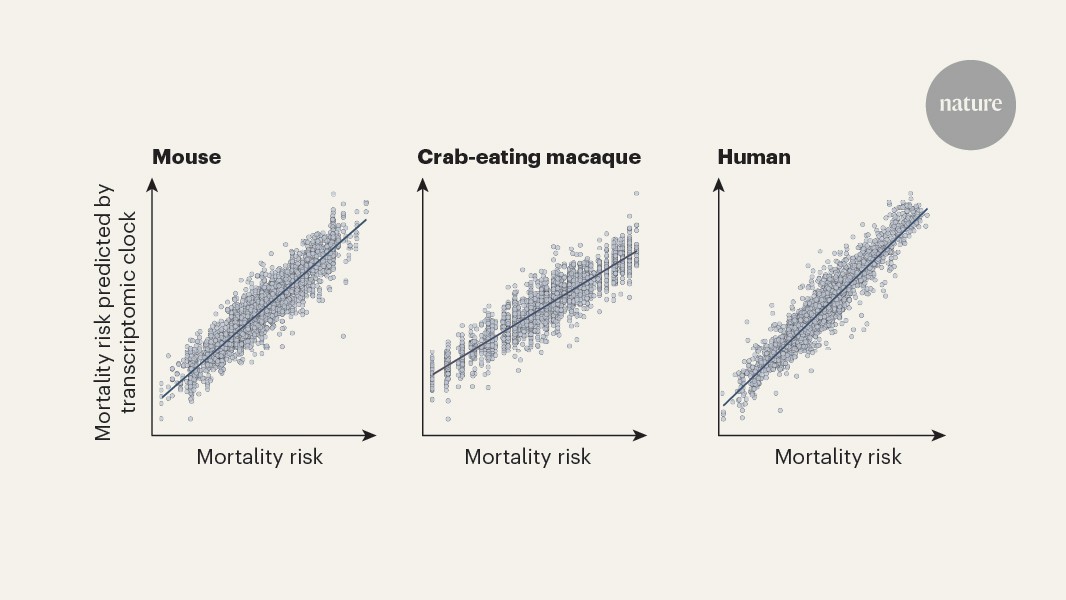
Gene-expression patterns can be used to estimate mortality risk and chronological
Gene expression research identifies aging markers and grape consumption benefits skin health widely.
Summary
Massive analyses of RNA transcripts from rodents, monkeys, and humans have identified gene-expression patterns that can estimate mortality risk and chronological age. These findings reveal hallmarks of aging that may accelerate the development of anti-aging interventions. Separately, research suggests that grape consumption, beyond its known effect of increasing UV resilience in 30%-50% of individuals, likely benefits human skin health more broadly.
Why it's important
The identification of gene-expression patterns related to aging and mortality risk could lead to new diagnostics and therapeutic strategies for age-related diseases. Furthermore, the expanded understanding of grape consumption's positive impact on skin health suggests a readily accessible dietary intervention for broader population benefit.
Key Points
- Gene-expression patterns
- Mortality risk estimation
- Chronological age estimation
- Hallmarks of ageing
- Anti-ageing interventions
- Grape consumption
- Skin health
- UV irradiation resilience
Key Narratives
Based on positions and claims visible in the cited sources. Missing viewpoints are not inferred as full national or institutional perspectives.
Publishes research suggesting grape consumption has broader positive effects on human skin health.
Involved Entities
rodents, monkeys, humans, ACS Nutrition Science
Sources (2)
Gene-expression patterns can be used to estimate mortality risk and chronological age
Massive analyses of RNA transcripts from rodents, monkeys and humans reveal hallmarks of ageing that could expedite the development of anti-ageing interventions.

Grape consumption linked to changes in gene expression and improved skin health
Clinical trials have shown that consumption of grapes can increase the resilience of skin to UV irradiation in about 30%–50% of the subject population. A new study published in the current issue of th
Keep exploring this topic
Browse more stories in English or search Knewvia for a custom brief on any topic.