
Study: Most who switch to long-acting HIV therapy stick with it
Studies cover HIV therapy adherence, coral reef collapse risks, and potential jaboticaba fruit health benefits.
Summary
A real-world study indicates that most individuals who switch to long-acting injectable HIV therapy maintain adherence, suggesting it could ease provider concerns. Separately, a global assessment by the International Union for Conservation of Nature warns that nearly all coral reef ecosystems are at high risk of collapse within 50 years, primarily due to warming oceans and heat waves. Additionally, research on jaboticaba fruit explores its potential health benefits from polyphenols and dietary fiber, with early human trials showing promise for glucose and inflammatory markers, though more research is needed.
Why it's important
These studies provide crucial insights into HIV treatment adherence, the dire state of coral reefs, and emerging nutritional research. The HIV findings could influence clinical practice and patient management, while the coral reef assessment underscores the urgent need for climate action. The jaboticaba research opens avenues for dietary and health interventions.
Key Points
- Long-acting HIV injections show high adherence.
- Coral reefs face high risk of collapse within 50 years.
- Jaboticaba fruit shows potential for metabolic and anti-inflammatory health benefits.
Key Narratives
Based on positions and claims visible in the cited sources. Missing viewpoints are not inferred as full national or institutional perspectives.
Believes new real-world data on long-acting HIV regimens could alleviate provider concerns about patient adherence.
Assesses that global coral reef ecosystems face a high risk of collapse in the next 50 years due to warming oceans and heat waves.
Involved Entities
Ricky Hsu, International Union for Conservation of Nature
Sources (3)
Study: Most who switch to long-acting HIV therapy stick with it
WASHINGTON — A large real-world study of people who switched from daily oral therapy to long-acting injections for HIV treatment showed that most stuck with the long-acting regimen and few experienced

Most coral reef ecosystems at risk of collapse: study
The world’s coral reef ecosystems almost all face a high risk of collapse in the next 50 years mostly due to warming oceans and heat waves, according to a global assessment released Thursday.
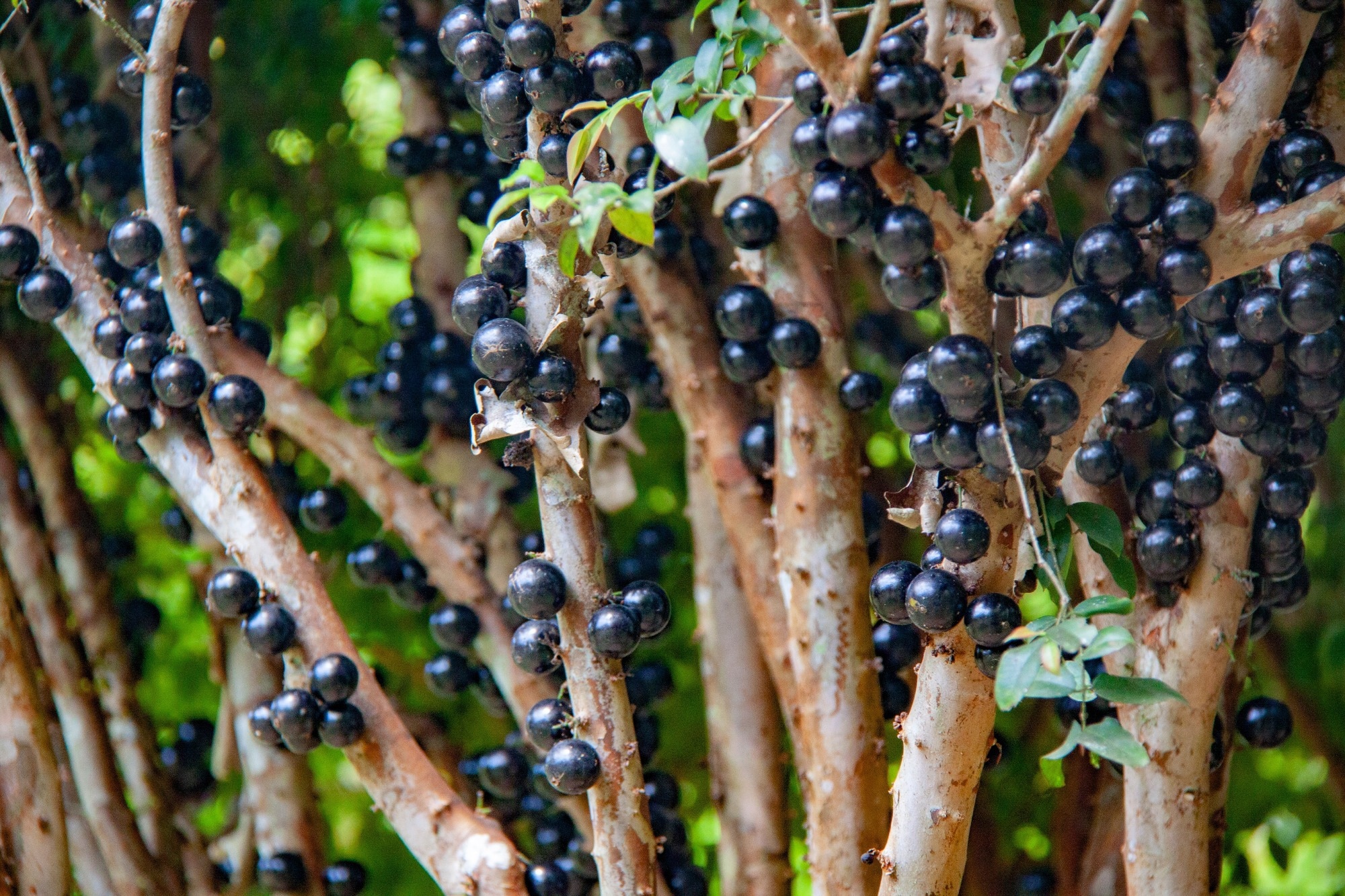
Jaboticaba Fruit: What Are Its Potential Health Benefits?
Jaboticaba contains polyphenols and dietary fiber that researchers are studying for their effects on oxidative stress, gut microbiota, and metabolic health. Small human trials suggest improvements in
Keep exploring this topic
Browse more stories in English or search Knewvia for a custom brief on any topic.